Have you ever put two different foods in front of your pet and noticed they go straight for one, like they already made up their mind?
That little moment says a lot. Pets may not talk, but they absolutely show clear opinions about food. Some love a crunchy bite. Some get excited by softer textures.
Some seem to care most about smell, while others react to the whole mealtime routine. Over time, those little choices turn into real preferences that feel as personal as any habit in the home.
The interesting part is that taste preference in pets is not random. It grows from a mix of early experiences, daily routine, texture, smell, and the emotional feel of feeding time.
Once you start paying attention, it becomes much easier to see how those preferences take shape.
Early Food Experiences Leave A Lasting Mark
The first foods a pet gets used to can shape what feels familiar later on. Just like people often feel attached to foods they grew up with, pets also build comfort around what they know.
That comfort becomes part of how they respond to meals as they grow.
Familiar Foods Often Feel More Comforting
When pets eat the same type of food regularly, they begin to connect that smell, texture, and taste with safety and routine. A familiar bowl often feels easy to trust.
This can show up in simple ways:
- A pet gets excited by a smell they know well
- They eat more calmly when the texture feels familiar
- They return to certain meals with more interest
- They seem settled when the routine stays steady
That is one reason many dog owners compare the best dog food Canada options with care. They are often trying to find something that not only supports nutrition, but also fits what their dog naturally seems to enjoy and recognize.
Repetition Helps Build Preference
Pets learn through repetition. If a dog or cat enjoys a meal many times in a calm setting, that food can start to feel like the “right” kind of meal to them.
A simple pattern usually looks like this:
- The pet tries a food
- The experience feels comfortable
- The same food appears again
- The pet starts expecting that texture and smell
Over time, this creates a clear preference that feels very natural.
Smell And Texture Matter More Than People Think
Taste is only one part of food preference for pets. In many cases, smell and texture do even more work. That is why two foods with similar nutrition can get completely different reactions from the same pet.
For pets, the full eating experience matters.
Smell Often Comes First
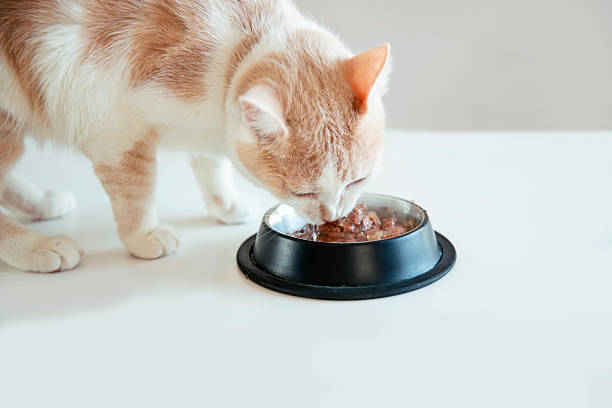
Dogs and cats usually notice food with their nose before anything else. A rich smell can pull them toward the bowl right away.
Pets may show a stronger interest when food:
- Has a noticeable aroma
- Feels fresh
- Is served in a familiar way
- Matches smell they already know
This is especially easy to spot in cats. Owners looking at the best cat food often pay attention to aroma and texture because cats can be very clear about what catches their attention first.
Texture Helps Create Real Favorites
Some pets enjoy crunch. Others prefer softer bites. Some like mixed textures because the meal feels more interesting.
A pet’s favorite texture may depend on:
| Texture Type | Why Pets May Enjoy It |
| Crunchy | Satisfying bite and sound |
| Soft | Rich feel and stronger smell |
| Mixed | More variety in each meal |
| Small pieces | Easy and comfortable to eat |
When you notice which texture gets the happiest response, you learn a lot about your pet’s food style.
Routine And Emotion Shape Taste Too
A pet’s preferences are not built from food alone. The mood around mealtime matters too. Pets connect food with people, place, and routine, so those emotional details often become part of their likes and dislikes.
This is one reason feeding time can feel so personal.
Calm Mealtimes Build Positive Food Memories
If meals happen in a peaceful way, pets often connect that calm feeling with the food itself. The bowl becomes part of a comforting daily rhythm.
A positive feeding routine often includes:
- Meals at similar times
- A clean bowl
- A familiar feeding area
- A relaxed tone from you
- Fresh water nearby
When these details repeat, food can become tied to warmth and comfort, not just hunger.
Treat Moments Also Build Preference
Treats are a big part of how pets form strong likes. A dog that gets a favorite chew after a walk or a small reward during training often starts linking that treat with happy, shared moments.
That is why many owners keep the best dog treats for special parts of the day, like quiet bonding time, simple training, or a happy reward after play. The food itself matters, but the moment around it matters just as much.
Personality Plays A Role In Food Choices
Every pet has their own style. Some are adventurous and excited by variety. Others love sticking to what they know. These personality traits often shape how food preferences grow over time.
That is part of what makes feeding pets feel so individual.
Some Pets Love Familiarity
Many pets are happiest when meals stay close to what they already know. Familiar food can feel comforting and predictable.
These pets often show it by:
- Going back to favorite textures
- Eating best in a steady routine
- Showing more interest in known foods
- Enjoying meals more when the setup feels the same
This does not make them “difficult.” It simply means they know what feels right to them.
Others Enjoy Little Changes
Some pets light up when there is a small shift in smell, texture, or serving style. A tiny bit of variety can make the bowl feel fresh again.
That could mean:
- A different texture from time to time
- A slightly different meal style
- A new treat during play
- A food format that feels more exciting
These reactions help you see how your pet’s personality shapes their preferences just as much as the food itself.
Paying Attention Helps You Understand Their Preferences
The best way to understand your pet’s taste is to observe the little patterns. You do not need a complicated system. You just need to watch what gets the happiest response.
A few useful things to notice are:
- Which food do they walk to first
- What texture do they finish most happily
- Which smells seem to excite them
- How they react during treat time
- How calm they seem during certain meals
Those little clues can tell you far more than guesswork ever will.
Conclusion
Pets develop their unique taste preferences through a mix of early food experiences, familiar routines, smell, texture, personality, and the emotional feel of mealtime. What seems like a simple food choice is often the result of many small moments adding up over time.
When you pay attention to those small patterns, feeding becomes much more meaningful. You start to see that your pet is not just eating. They are showing you, in their own quiet way, exactly what makes them feel comfortable, happy, and at home.