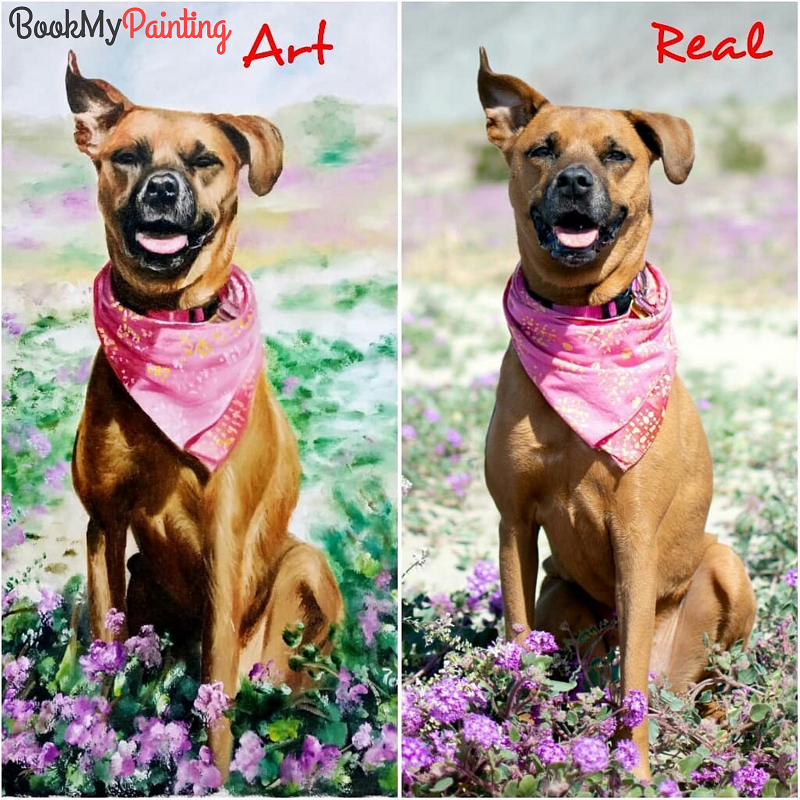
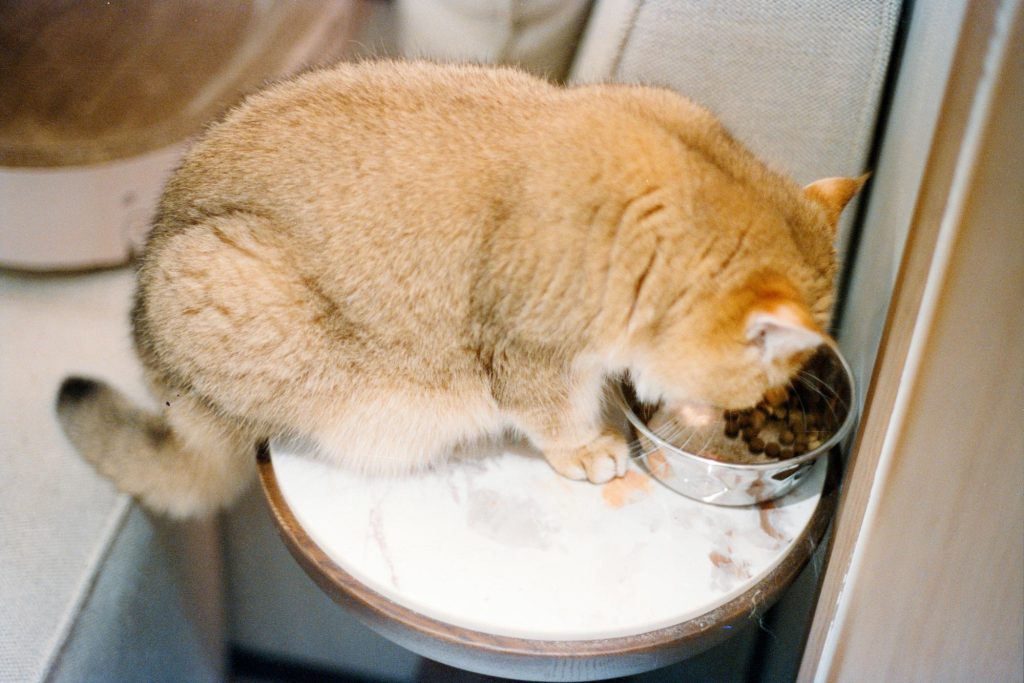
The sheen and texture of animal fur have captivated humans for generations. While genetics play their part, nutrition stands as the silent architect behind the glossy pelts of our furry companions. Just as a lush green field thrives on rich soil, an animal’s fur reflects the quality of its diet. Here’s a closer look at how what our pets consume impacts the vitality of their coats.
The Building Blocks: Proteins and Amino Acids
Protein is the cornerstone of skin and fur health. These macromolecules, rich in amino acids, are responsible for cellular repair and growth. Each strand of hair consists mainly of keratin, a protein fortified by nutrients that shape its resilience and gloss. Dietary deficiencies in proteins can result in dull, brittle coats, indicating that the right balance of amino acids is not just beneficial but fundamental for maintaining healthy fur.
In companion animals, ensuring they receive a variety of protein sources can make a significant difference. Poultry, beef, lamb, and high-quality commercial pet foods are often recommended to provide complete proteins. While vegetarian options exist for pets, meticulous planning is required to avoid amino acid imbalances that can eventually lead to fur issues. The optimal protein intake should match the lifestyle and breed standard of the pet for the best results.
Minerals: The Unseen Forces
Zinc, copper, and selenium might not frequently make the list, yet these minerals work silently to maintain fur integrity. Zinc aids in cellular repair and immune function, while copper enhances the pigmentation of fur, ensuring vibrant color. Selenium teams with antioxidants to protect the skin from oxidative stress. A deficit in these minerals can translate into patchy fur, loss of pigmentation, or an overall lackluster appearance.
Essential Fatty Acids: Omega Warriors
Omega-3 and Omega-6 fatty acids are far more than just dietary components—they are champions of skin health. Found in fish oils, flaxseed, and walnuts, these fats combat inflammation, reduce dandruff, and nourish the skin. They lay the groundwork for fur that is supple and lustrous. Pets lacking Omega fatty acids often suffer from dry, flaky skin and lackluster coats, a testament to the importance of these nutrients.
Supplementing a pet’s diet with specially formulated Omega-rich oils can help reverse deficiencies swiftly. It’s also worth mentioning that the ratio between Omega-6 and Omega-3 is as important as their presence in a diet. Ideally, this ratio should be balanced to promote optimal health and fur condition. Pet owners might consider consulting with a veterinarian to adjust these dietary components according to their pet’s specific needs.
For those seeking professional guidance on this matter, it may be beneficial to have a conversation with a Michigan City veterinarian. They can provide insights into dietary adjustments that may be necessary to support the fur health of your beloved pets.
Vitamins that Shine Through
Vitamins play an instrumental role in ensuring that coat and skin maintain their prime condition. Vitamin E is a powerful antioxidant that guards against cellular damage. B vitamins, including Biotin, are known to bolster fur resilience and boost shine. Conversely, Vitamin A helps regulate oil production, keeping skin from becoming overly dry or oily. A deficiency in any of these vitamins can lead to detectable changes in fur quality, from rough patches to excessive shedding.
On the horizon of fur health, nutraceutical advancements might offer additional solutions. Some new products on the market are introducing innovative applications of vitamins in pet care—vitamin sprays or topical applications that ensure absorption directly through the animal’s skin. Such advancements could add to the nutritional strategies needed for maintaining a lustrous coat.
Digestion: The Nutrient Distributor
No nutritional intervention is complete without acknowledging the digestive process. Nutrients must be adequately absorbed to benefit the fur. Probiotics and prebiotics ensure that the gut flora is balanced, facilitating optimal absorption. A compromised digestive system cannot effectively distribute nutrients, resulting in subpar fur quality even if an animal’s diet is top-notch.
The Consequences of Malnutrition
A poor diet will quickly show through an animal’s fur. Several studies align a lack of balanced nutrition with issues such as delayed shedding cycles, slow hair growth, and even conditions like dermatitis. While quality grooming can mask some of these symptoms, true relief comes only through dietary adjustments.
Long-term, consistent malnutrition can further complicate matters, leading to chronic skin issues and permanent damage to the hair follicles. Regular veterinary checkups become vital in these cases, as professionals can recommend precise nutritional interventions or tests to rectify and monitor the pet’s condition over time. Recognizing the signs early enough can prevent severe consequences and set the pet on a path to health improvement.
Conclusion
The connection between diet and fur health is clear and underscored by a robust body of evidence. A carefully curated nutritional plan is indispensable for promoting the health and beauty of animal fur. As the saying goes, “You are what you eat,” and it seems our pets—and their fur—are no exception.